



A safe space to learn
something new
What would you like to learn?
We are a platform created
to celebrate music education
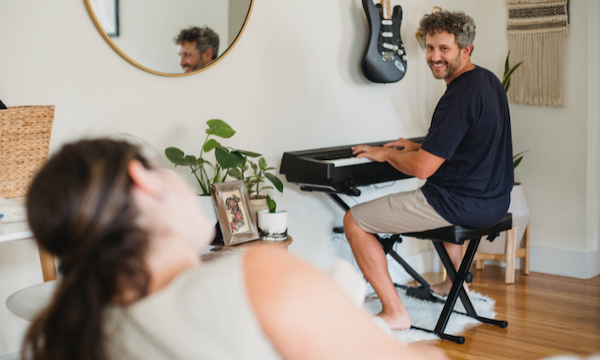
Flexibility
With our flexible lesson blocks you have the freedom to plan your lessons whenever and wherever you want. Ensuring that music lessons work around your schedule means that you can focus purely on the music. Read more
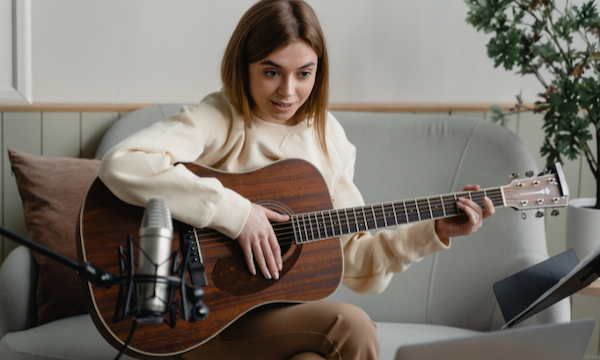
OnlineClassRoom
We have developed a video call platform specifically designed for music lessons, with no downloads or specialist software required. Accessible, secure and easy to use, our online classroom is optimised to help you get the most out of your music lessons, with an inbuilt metronome, keyboard, file library and more. Read more

Safety
At MusicTeachers.co.uk, all teachers are vetted as professional, high-quality teachers. Every teacher holds the highest level of government background check and works to our industry leading safeguarding policies. We are committed to maintaining a safe and worry-free environment so you can flourish. Read more
Great service from both the company and teacher
I been a tutor here for 1 and a half years. Great company, very helpful and supportive with issues. Always looking out for staff and asking for feedback

We believe that everybody should have the chance to experience a brilliant music education.
About MusicTeachers.co.uk
MusicTeachers.co.uk is a nationwide platform where the lessons take place in your home, the teachers home studio, or in our online classroom. We take the hassle and stress out of finding the perfect music teacher. All our teachers have been fully vetted. We only work with professional, high-quality teachers who have the highest level of background check (enhanced DBS) in place.
You can search and chat with our teachers, schedule and pay for the lessons right here on our secure website. Either pay as you go, or buy a flexible block of lessons to save time and money. See the FAQ section for more information about prices and payment.
We believe that everybody should have the chance to experience a brilliant music education. Whether you are a parent wanting to give your child the best possible start, or an adult wanting to begin or continue your own musical journey, MusicTeachers.co.uk makes learning music easy, enjoyable and as safe as possible.
Most popular instruments


Top Teachers
At MusicTeachers.co.uk we do a lot to ensure that all teachers shown on the site have a very high level of professionalism and experience in teaching. In addition, we want to highlight the teachers who show special commitment and proactivity.
